OEM or ODM manufacturing: choosing the right route for a product
Your design or the factory’s existing product? Look beyond OEM and ODM labels to the development work, rights and responsibilities involved.
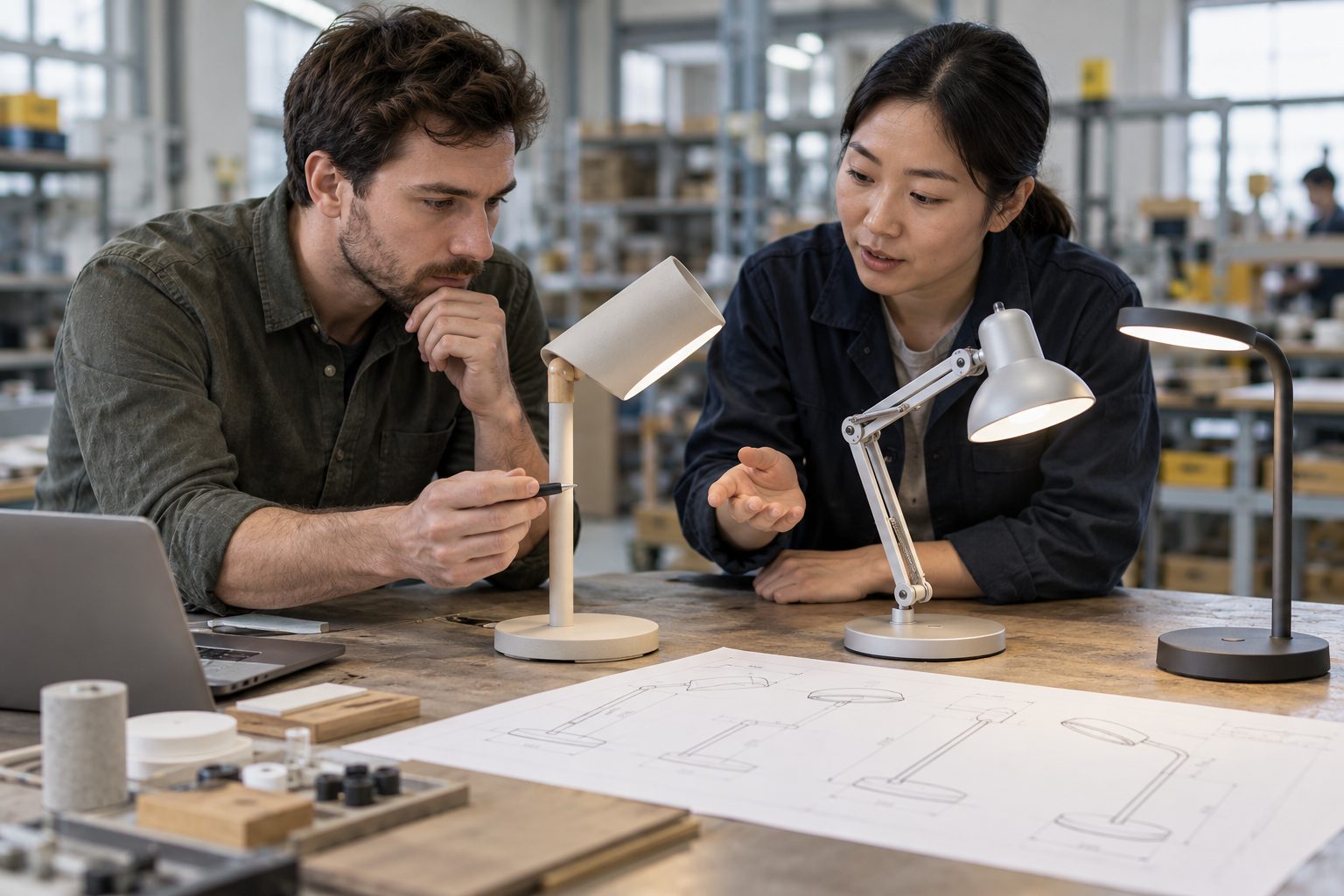
Image: AI-generated illustration of oem odm product design.
Do you want a factory to make your product, or a product the factory already knows how to make? That is the useful starting point for the OEM-or-ODM conversation. Broadly, OEM means manufacturing to the buyer’s design or specification; ODM means using a manufacturer-developed design, perhaps with changes. Suppliers use the labels differently, so ask what is included before deciding which route sounds better.
If you already have a developed design, drawings, material requirements and performance criteria, your main need may be production capability. If you have a market opportunity but little product engineering, a manufacturer’s established design can reduce the development work. Be honest about the information you have and the expertise still required.
Ask who will complete each part of development: design, prototyping, component selection, packaging and testing. A supplier may call an offer OEM while expecting to fill gaps using its own standard components. List those assumptions before pricing so both parties understand what is being supplied.
A logo on an existing product may be straightforward. A different material, shape or function may require new tooling, testing or a larger run. Ask the factory which change drives which cost. The visible size of a change tells you little about the work behind it. You want to know where your proposed customisation stops being a simple adaptation and starts becoming a development project.
For a buyer-designed product, agree how the factory will propose production improvements and who approves them. Manufacturers often identify ways to make a design easier to assemble, but a convenient substitution can alter performance or appearance. Use a controlled specification and require approval of changes that affect the saleable product.
Who owns what you are paying for?
Identify moulds, dies, fixtures and other dedicated equipment needed for the order. Ask who pays, who owns them, where they are stored and whether you can move them to another manufacturer. Record maintenance and replacement arrangements rather than treating a tooling invoice as a complete explanation of ownership.
A branded product is not necessarily an exclusive product. If the factory developed the design, other buyers may be able to order it too. Discuss design use, exclusivity and ownership in the agreement, with appropriate advice where the rights matter commercially. Decide what makes your offer different: engineering, an assortment, service or just the logo. That answer should influence the manufacturing route.
An established design may reduce time to a sample, but still needs verification for your intended market and use. A new design may offer more control while requiring additional rounds of development and testing. Ask for a realistic sequence of milestones, with clear deliverables and acceptance points.
Compare quotations on the same scope. Separate product price, development work, tooling, samples, testing and packaging. Make assumptions about volumes and revisions visible. An apparently cheaper route can become more expensive if every change creates another charge or if the initial product is unsuitable for your sales channel.
For a first product, a limited adaptation of an established design may let you learn about demand and factory performance before commissioning a fully new item. For a product whose advantage depends on specific engineering, accepting a standard design may remove the feature that customers value.
Choose the route your team can manage, then keep the specification and revision history in one accessible place. Whoever places the repeat order needs to know what was finally approved, not what the first sample looked like. The acronym will not resolve a tooling dispute or stop an unwanted component change. A clear description of responsibilities, rights and the finished product has a much better chance.