One case or one unit? Fix the pack-size errors that distort wholesale margins
A correct barcode can still be used at the wrong packaging level. Make units, inner packs and outer cases explicit from quotation through invoicing.
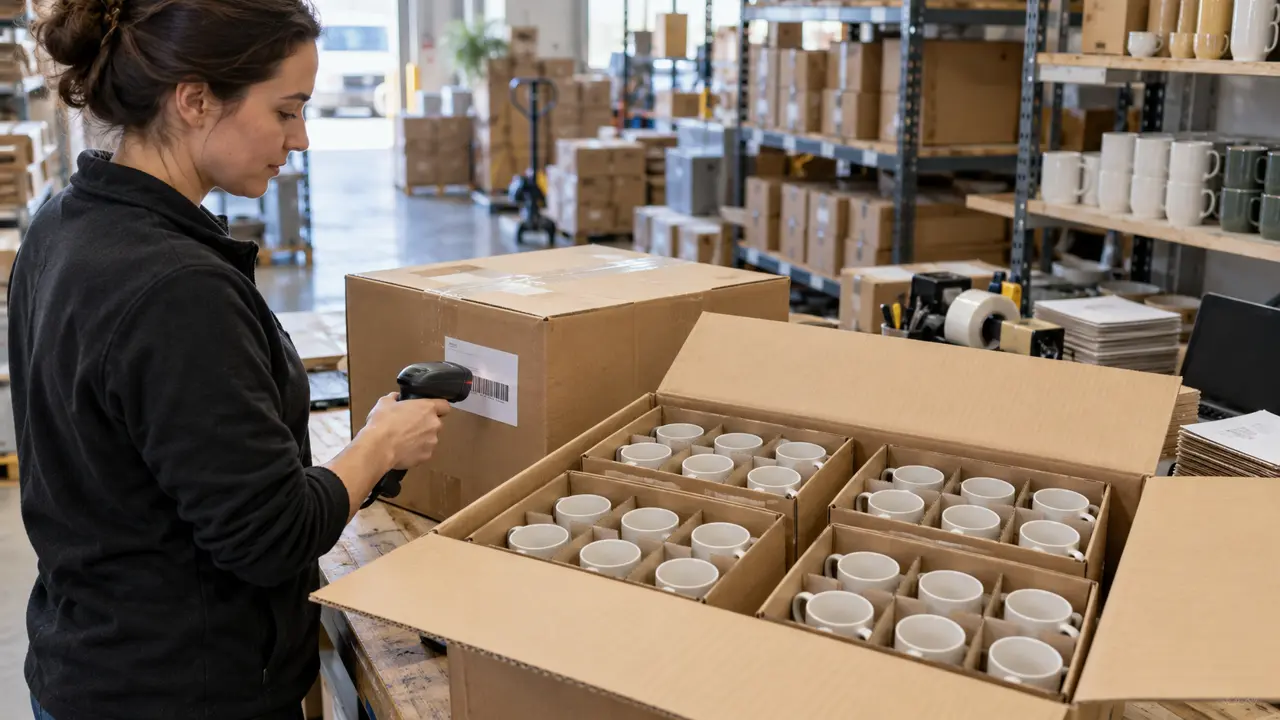
A supplier quotes £24 per case. Purchasing enters £24 against the product, and the sales system treats that figure as the cost of one item. Elsewhere, a customer orders ten packs and receives ten individual pieces. Both mistakes begin with a familiar word that nobody defined.
Case, carton, box and pack are not reliable quantities on their own. One supplier's box may hold six retail units; another's may contain four inner packs of six. A stock system needs the conversion between those levels, alongside a clear statement of what is being bought and sold.
Choose a base quantity and map everything to it
For a simple example, imagine mugs sold individually, with six in an inner pack and four inner packs in an outer case. One outer case therefore contains 24 mugs. A purchase of ten outer cases adds 240 mugs, provided all are accepted into saleable stock.
The product record should identify each level and its conversion. It also needs the orderable level for each supplier and the permitted selling levels for customers. A business can hold stock in individual units while requiring orders in multiples of six.
Keep cost and quantity on the same basis. If an outer case costs £48, the goods cost is £2 per mug before other landed costs. An order for two inner packs contains 12 mugs, so its goods cost is £24. Mixing a case cost with a unit selling price can make a profitable product appear unviable, or hide a loss.
A barcode must identify the packaging level being handled
Barcode scanning helps when the system knows what the scanned identifier represents. A scan of the outer case should not silently add one individual item. Equally, scanning an individual item should not add a whole case.
GS1's packaging hierarchy guidance distinguishes levels such as individual units, packs, cases and pallets, with identifiers and contained quantities supporting the relationship. Capture the identifiers supplied for the relevant levels, rather than copying the retail barcode into every packaging field.
Test the conversion with physical stock. Receive one outer case, open it where appropriate, count the contents and check what each scan does. That small exercise can expose a data problem before a container receipt multiplies it across thousands of units.
Make documents understandable without opening the system
A purchase order line should show the order quantity, unit of measure, contained quantity and price basis. “10 cases, 24 mugs per case, £48 per case” gives both parties something concrete to confirm. “10 mugs, £48” does not.
Apply the same discipline to quotations, order acknowledgements, picking instructions and invoices. Customer-facing descriptions should state what the customer will receive. Internal staff should not need to remember that a particular account uses “box” to mean something different.
Fractional quantities need an explicit rule too. If the supplier only sells complete cases, a request for 1.5 cases should trigger a decision rather than automatic rounding. Broken cases can create extra packing work, packaging waste and stock that is difficult to sell.
Pack changes need a controlled update
A supplier may move from 24 to 20 units per case while retaining a similar product description. Obtain the new packaging details before the next receipt and determine how old and new stock will coexist. Do not rewrite historic transactions to make them resemble the new arrangement.
Review open purchase orders, customer price lists and freight calculations when the pack changes. Carton measurements and weights may change as well, affecting storage and delivery costs.
The most useful control is an end-to-end test: quote the product, buy it, receive it, pick it and invoice it using the same defined quantities. A correct total at each stage is a stronger safeguard than a vague instruction telling staff to double-check the boxes.