Wholesale returns: building a process for damaged, faulty and unwanted stock
A box in the returns area needs a decision, not just a location. Connect inspection, stock status and the customer’s credit.
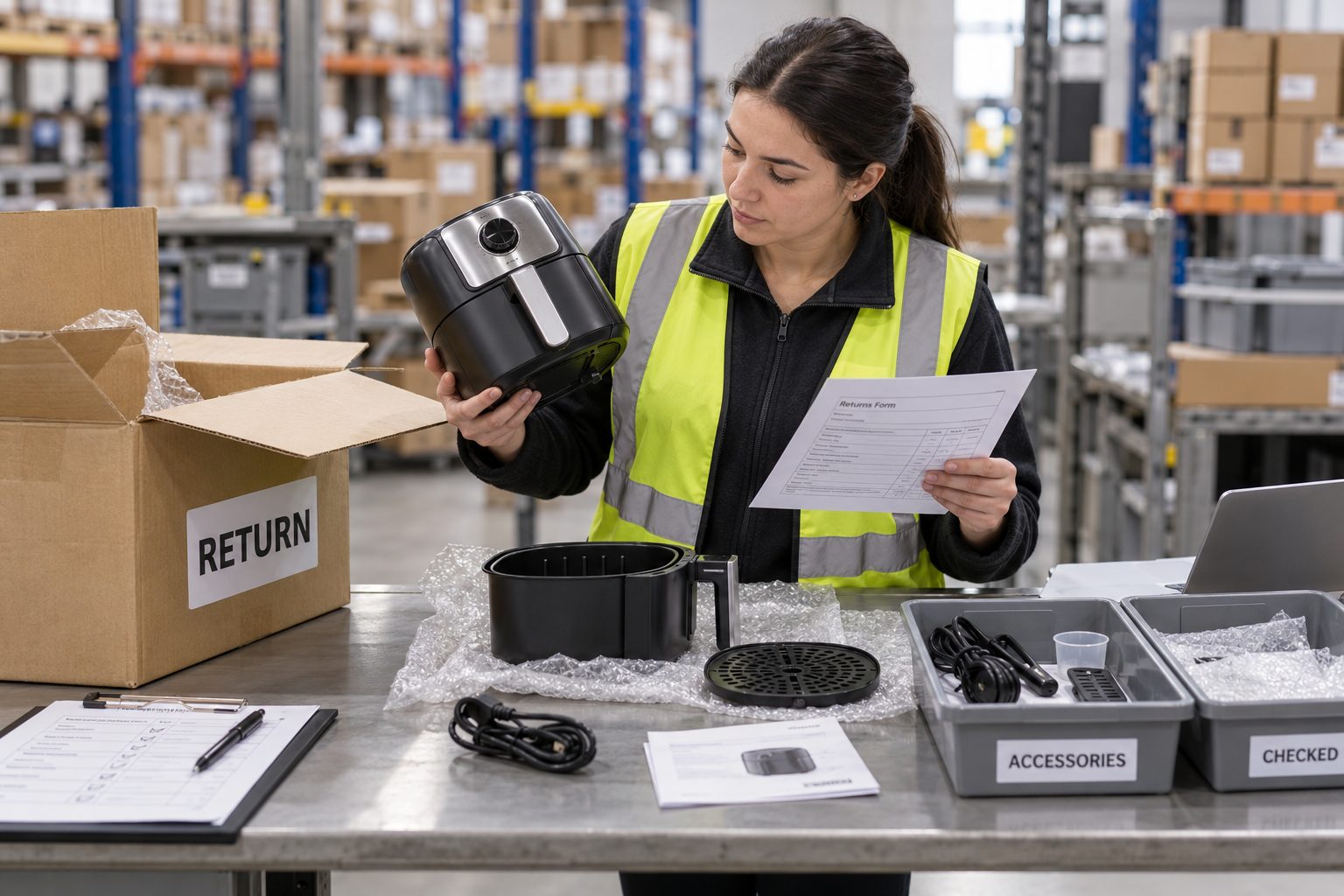
Image: AI-generated illustration of wholesale returns inspection.
There is a box in the returns area. Everyone knows it is there; nobody is quite sure what should happen to it. Multiply that by a few weeks of damaged deliveries, faulty goods and unwanted stock, and a small corner of the warehouse becomes a collection of unfinished decisions. A return needs more than a location. It needs a reason, an owner and a next step.
Set out your business-to-business return arrangements before orders are placed. Explain how customers request a return, what information they provide and which conditions apply to different reasons. Keep the policy consistent with the actual supply agreement and applicable requirements for the transaction. Do not assume terms designed for wholesale accounts also fit consumer sales.
Give customers a clear contact and reference process. Ask for the order number, product identifier, affected quantity and a description of the problem. For visible damage or a wrong item, photographs of the product and packaging can help the team understand the case before goods move again.
Be clear about what you have authorised. Permission to send goods back is not necessarily agreement with every detail of a claim or confirmation of a credit amount. Tell the customer what will happen next: inspection, replacement, collection, repair assessment or another agreed outcome. That makes the process easier to follow without promising a conclusion before you have the evidence.
Specify the return destination, packing requirements and reference to include. Some goods need specialist handling or should not enter an ordinary parcel network. Ask the appropriate provider to confirm requirements where relevant. Clear instructions reduce unidentifiable parcels and prevent the receiving team from guessing which account should receive a credit.
Keep the returned goods out of saleable stock
When a return arrives, record the quantity, product, condition, accessories and packaging. Compare the received goods with the claim and original order. Capture discrepancies promptly, including missing parts or a different identifier. Keep returned stock separate from saleable stock until an authorised assessment is complete.
Give the goods a destination after inspection: restock, rework, supplier claim, repair assessment or disposal. Assign someone to move that decision forward. “Returns” is a useful temporary status, but a poor permanent answer. Stock that sits there waiting for an unnamed person gradually becomes harder to identify, harder to resolve and often less valuable.
Document the agreed resolution and ensure it reaches the customer’s account. Replacements, partial credits and full credits should reference the original order and the returned quantities. Check that the physical movement and financial adjustment describe the same event. Otherwise a warehouse may restock 10 units while accounts credits 20.
If you claim against a supplier or carrier, retain the relevant evidence and meet the agreed reporting process. Do not let that separate claim disappear behind the customer resolution. Track ownership of each case so your business can see both what it has promised and what it is trying to recover.
Review reasons by SKU, supplier and process. Repeated wrong-size returns may indicate unclear catalogue data, while transit damage may point to packaging or handling. A product with frequent faults needs investigation rather than increasingly elaborate customer service scripts.
Review the cases that keep repeating. If customers receive the wrong size, check the listing and picking process. If products arrive damaged, look at packing and handling. Then look at the goods still waiting for a decision and the credits still outstanding. Closing the customer conversation is only part of closing a return. The warehouse and accounts records need to reach the same finish.