Nestlé reports stronger petcare sales and a recovery in US coffee
Nestlé reports stronger real internal growth, with petcare shipments matching consumer sales. Coffee and food figures reveal a more uneven picture beneath group growth.
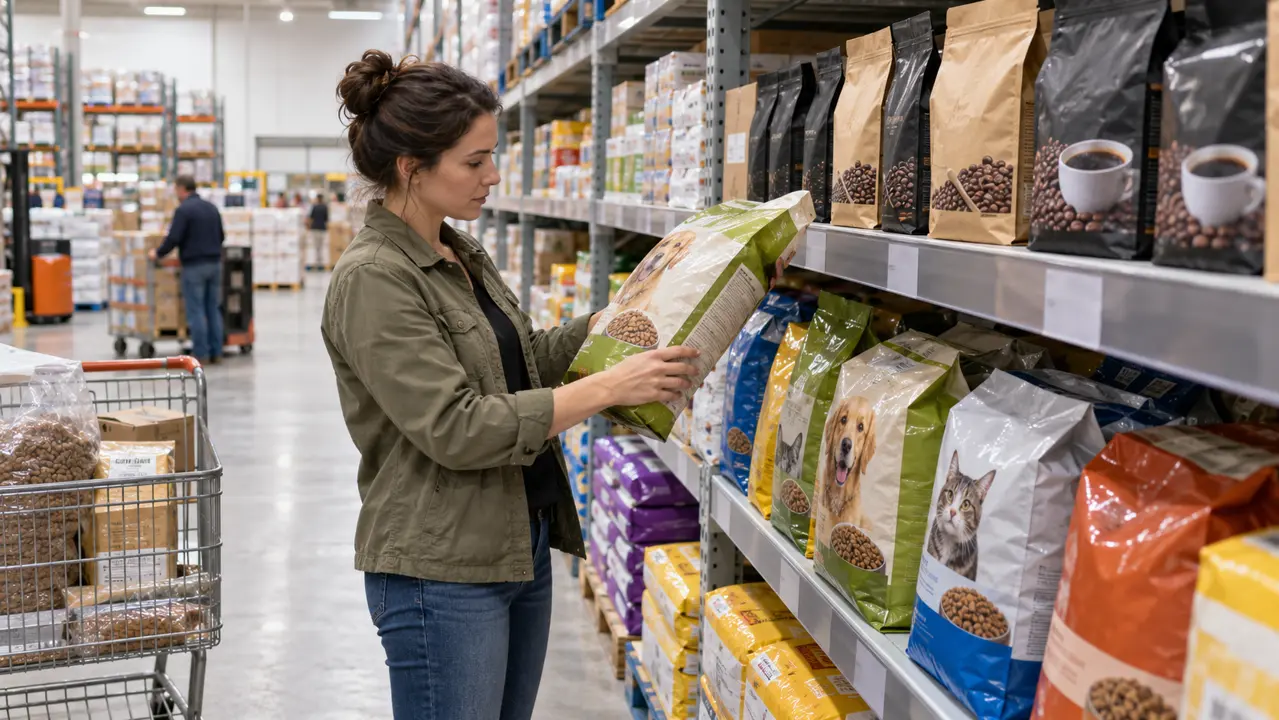
Nestlé reported an improvement in real internal growth on 22 October, with petcare shipments matching strong consumer sales and coffee recovering after earlier price increases. For grocery distributors, the most useful detail is the relationship between goods entering the trade and goods leaving shops.
In its third-quarter and nine-month sales release, Nestlé reported quarterly organic growth of 4.0%, comprising real internal growth of 2.8% and pricing of 1.1%, with rounding affecting the total. Petcare organic growth reached 5.3%, including 4.3% real internal growth. The company said petcare sell-in matched strong sell-out, with continued momentum in cat products.
Coffee organic growth was 3.4%. Nestlé described a progressive recovery in US coffee real internal growth following price increases earlier in the year. Food & Snacks grew 5.0% organically, helped partly by seasonal order timing. European real internal growth recovered after second-quarter de-listings.
Two different movements through the supply chain
Sell-in measures supply to trade customers; sell-out concerns onward sales to consumers. A manufacturer can increase shipments while shops accumulate stock, or ship less while retailers reduce inventory. Nestlé's petcare commentary therefore offers more information than a revenue increase alone: management describes replenishment moving in line with consumer demand.
That is a company-wide observation, however. It does not establish the sales rate of every pet-food format or brand in an independent shop. A wholesaler carrying several ranges still needs to distinguish repeat orders from a retailer's first purchase, promotional loading and a change in pack size.
The commercial question is where faster replenishment is supported by repeat demand. Cat products performing well at group level may justify closer attention to the category, but the next order should reflect the particular products and customer base the distributor serves. A manufacturer result is useful context alongside the buyer's own trading data.
Coffee recovery needs a price and pack comparison
For coffee, the interaction between price increases and subsequent demand matters. Comparing only the value of orders can hide changes in quantities purchased or a shift into different pack sizes. A shop may maintain its coffee spend while buying fewer units, or move customers towards a smaller pack at a lower cash price.
Consider an illustrative retailer spending £600 on a delivery. If the case price rises, the same £600 replenishes fewer shelf units. The wholesaler's invoice value can remain steady while the retailer's stock cover falls. That is a different buying situation from steady quantities combined with a richer product mix.
Real internal growth helps distinguish operating momentum from pricing, but should not be treated as a literal count of identical packs. Product mix is relevant, and a global measure cannot replace comparisons of equivalent products in the distributor's own range.
Seasonal orders can move the quarterly picture
Nestlé's reference to seasonal order timing in Food & Snacks is another reason to examine the delivery calendar. An order brought forward into September can lift a manufacturer's third-quarter sales without increasing the customer's full-season requirement. Reordering simply because the latest quarter looks stronger can then duplicate stock already purchased.
For distributors, a practical reading of the release is to compare consumer-facing demand with goods already in the channel. Separate promotional commitments, seasonal orders and normal replenishment when reviewing cover. Maintain the actual product dates and delivery requirements attached to each account.
The latest update gives buyers specific evidence to investigate: stronger petcare movement, a recovering coffee business and timing effects in food. The useful response is category-level scrutiny of quantities, prices and replenishment, rather than applying Nestlé's group growth rate to the entire grocery order book.