URM's digital-coupon rollout shows another role for the grocery wholesaler
Shared digital services offer wholesalers a way to support independent grocers beyond stock supply. The next test is turning adoption into useful trading results.
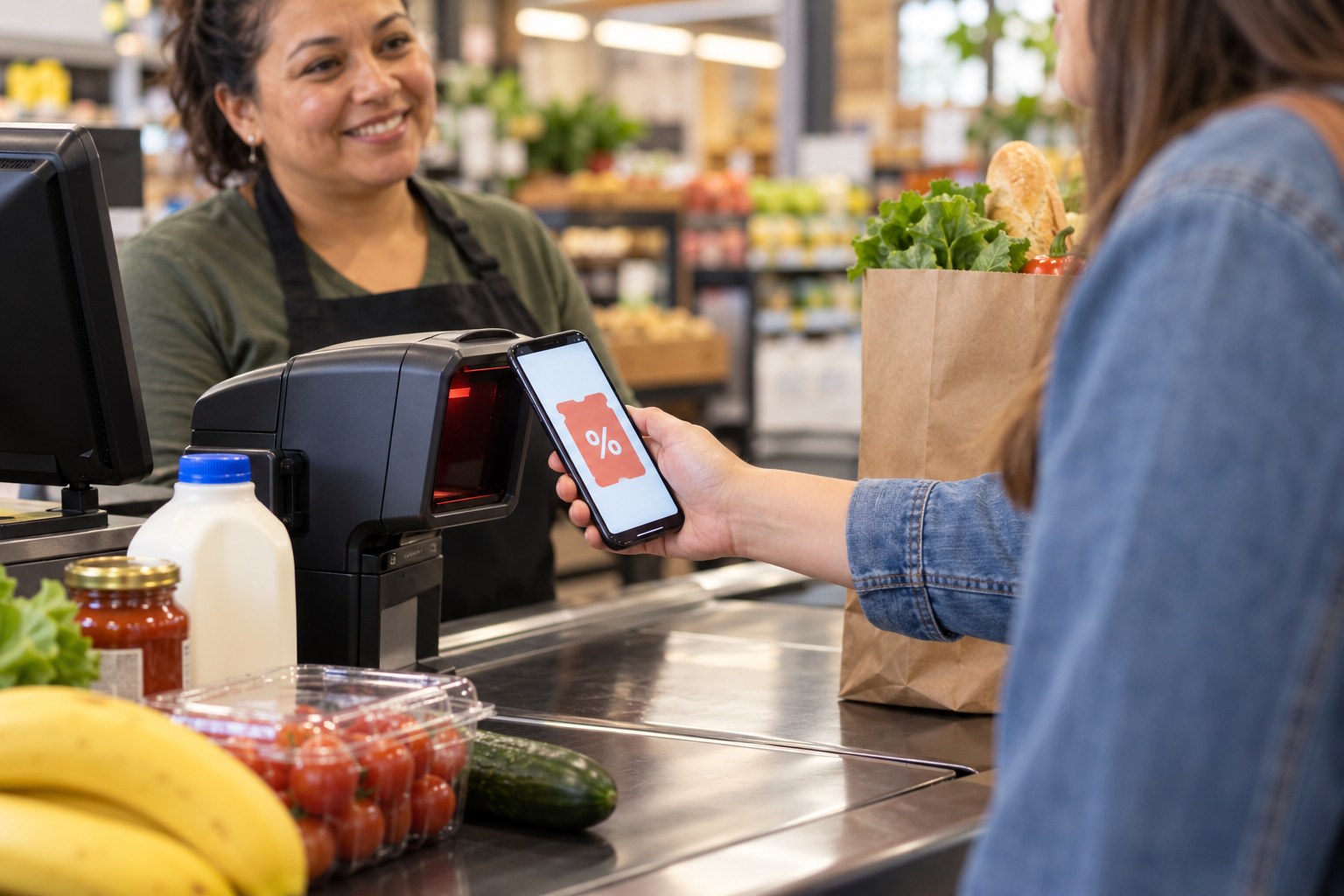
RSA America said on 29 October that 75 grocery stores affiliated with wholesaler URM Stores are live on its digital platform. The company also reported deploying 43 exclusive digital-coupon offers from major consumer brands within three months. These are adoption and offer counts reported by the provider, not independently measured sales gains.
The latest update follows the partners' May announcement of a programme spanning loyalty, digital marketing and retail media. URM is a retailer-owned grocery wholesaler serving approximately 265 independent retailers in the US Pacific Northwest. The original announcement described phased onboarding, rather than an immediate switch across the entire network.
Why a wholesaler might organise the technology
A small grocery business can negotiate with software providers itself, but it may lack the time to assemble a complete programme, train staff and recruit participating brands. A wholesaler already coordinating supply for many stores has a possible role in organising shared services.
That does not make technology a replacement for competitive stock prices or reliable delivery. It can make the supplier relationship more useful between orders. A retailer that receives practical support for a promotion may be better placed to turn incoming cases into repeat purchases.
The commercial test is whether the programme improves the store's trading, not whether an app is installed. A platform can be live while staff remain unsure how to explain an offer, customers struggle to redeem it or the promoted item is missing from the shelf.
The coupon needs a stock plan
For wholesalers considering a similar service, promotion planning should connect the offer to the products available for delivery. Before launch, agree the exact item and pack, participating locations, offer period, funding and expected demand. Make the replenishment schedule visible to the people deciding how widely to advertise.
Imagine an independent shop that normally sells 20 units of a product each week and plans an offer expected to double that rate. The question is not simply whether the wholesaler has another case today. The shop needs to know whether it can receive the opening stock in time and replenish during the promotion without taking an impractical quantity afterwards.
That is a planning example, not a forecast for the URM programme. It shows why promotional support and physical distribution should be designed together.
Agree how success will be measured
Coupon redemptions are useful, but they do not tell the whole story. Some shoppers would have purchased the product at its normal price. Others may bring additional purchases, become repeat customers or switch from a competing item within the same store.
A manageable trial can compare units sold, gross profit after the promotion's costs, basket value and repeat visits where the available data supports that analysis. Document the comparison period and other changes that could influence results. A busy holiday week should not be compared casually with a quiet week and credited entirely to the offer.
Retailers also need clear answers about customer data: who can use it, for what purposes, which permissions are required and what happens if a store leaves the programme. Those arrangements should be settled before customer enrolment begins, with requirements checked for the relevant jurisdiction.
The reported rollout offers a useful example of a wholesaler helping independent retailers access a shared digital service. Other wholesalers do not need to copy the platform to learn from the approach. Start with a retailer problem, connect the service to stock availability, define the commercial responsibilities and test the outcome with a small group before expanding. A programme earns its place when stores can use it consistently and see a trading benefit.
AI-generated editorial illustration: not an actual URM store or RSA interface.