How to approve a manufacturing sample before placing a production order
The sample looks good. Can the factory reproduce it? Turn approval into a clear reference for the batch you are about to buy.
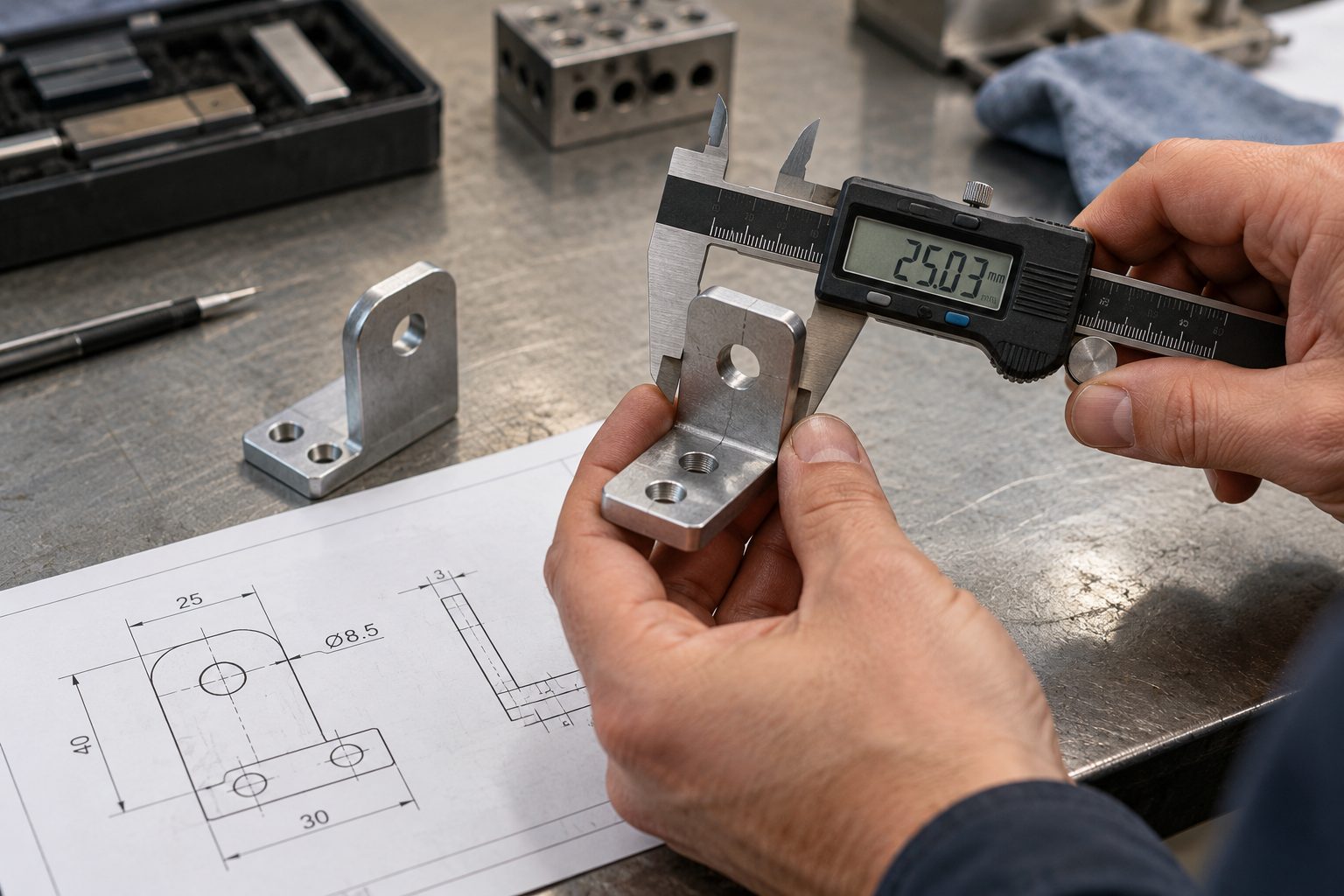
Image: AI-generated illustration of manufacturing sample approval.
The sample is on your desk, and it looks good. The harder question is whether the next thousand will look and work the same way. Was this one handmade? Were its materials the ones the factory intends to use? Did it receive special attention that production units will not? Approval needs to describe what you are buying, not simply record that you liked the sample.
Ask whether the item is an existing stock sample, a prototype or a sample made through the intended production process. Record the materials, components and manufacturing methods used. If some parts are provisional, identify them clearly and require confirmation of the final version before approving the order.
Give the sample a reference and date, then keep one clear record of the changes you want. A colour decision in a message, a revised drawing in an email and a packaging note on a call can leave the factory with three competing versions of the product. Consolidate the feedback. Keep previous samples, but mark them as superseded so yesterday’s almost-right version cannot become tomorrow’s production reference.
Put “good” into words and measurements
Describe dimensions, materials, finish, colour, functionality, packaging and included accessories. Where tolerances matter, agree measurable limits with the factory. Define how measurements will be taken, because different methods can produce different results. A subjective phrase such as “good quality stitching” needs an agreed description or reference that inspectors can apply.
Check the entire saleable unit, including labels, carton markings and instructions. A product can function correctly but still arrive in packaging that does not fit your channel. Confirm pack quantities and whether the approved sample includes retail packaging or only the product. Treat changes to components or packaging as controlled revisions.
Prepare checks based on the intended use: assembly, fit, repeated operation, cleaning or compatibility where relevant. Document the test conditions and results. Do not claim performance that you have not tested or supported with appropriate evidence. For regulated products, arrange the relevant specialist testing and documentation separately; visual approval is not proof of compliance.
Inspect multiple samples when the product or process justifies it. A single example shows what is possible, but says less about consistency. If different samples vary, ask the factory to explain why and correct the process before a larger commitment. Repeated small differences can become a large sorting task across thousands of units.
Keep a physical approved reference where practical, with an equivalent agreed reference at the factory. Photograph the details that matter, but remember what a photograph cannot settle: texture, precise colour or a small difference in fit. Record the specification and who approved it. The person inspecting production may never have met the buyer who said the sample looked fine.
Make approval conditional on the precise configuration reviewed. If the factory proposes a substitute material or component later, require a new review of the affected characteristics. A substitution that improves one feature can change another, such as weight, fit or packaging size.
Give the inspection team the same specification and approved reference used by the factory. Agree which defects would make goods unacceptable and how discrepancies will be reported. Decide the inspection stage early enough that rework is still practical, rather than waiting until the shipment must leave.
When the first production batch arrives, put it beside the approved reference and check the differences. Some will reveal where the specification was vague; others may show a manufacturing problem. Use both findings before the next order. A sample is valuable because it gives everyone something concrete to work from. It becomes much less valuable if approval is treated as permission to stop asking questions.